The Parent and the Empty Nest
The Parent - the framework's "emerging" archetype - builds so that others can be cared for, and pays for it in the most painful currency: absence. The provider whose family testifies they were never there is a structural outcome, not ingratitude.

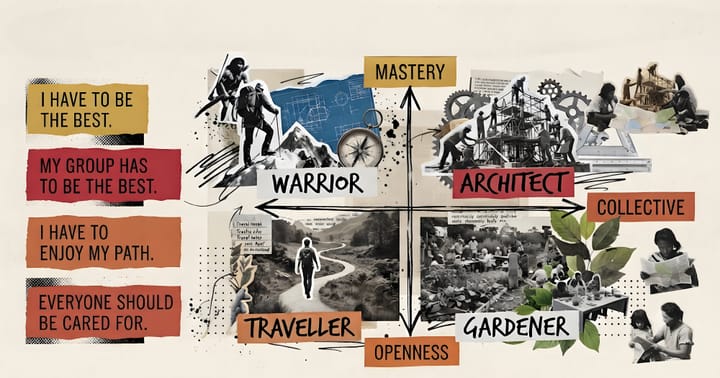
Every taxonomy has a blind spot, and the WHY Values framework's most interesting one is structural: some archetypes are more common in the world than they are in the literature. The Parent - Architect orientation plus Gardener drive - is the clearest case. The framework's own notes mark it "emerging," and that label is doing real work: this is the archetype the assessment may be among the first to name, for the simple reason that the operating model of a whole category of people has outrun the vocabulary available to describe them.
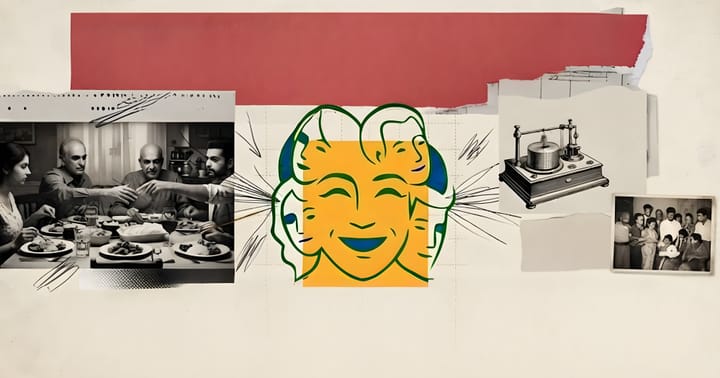
The Parent's engine is nurture with authority - providing the support system, not just the support. Watch the archetype in its native habitat and the pattern is unmistakable: the founder who builds the creche before the sales team, the manager whose greatest pride is the alumni network of people she promoted, the uncle who organises the family's finances, education, and disputes into a functioning system nobody asked him to run. Where the pure Gardener cares and the pure Architect builds, the Parent builds so that others can be cared for - structure in service of nurture, authority in service of shelter.
The blind spot is already visible, and the framework names it with unusual candour. Two shadows hang over the archetype. The first is absence: because the Parent expresses love through provision and system-building, they are the archetype most likely to be experienced as absent - the provider whose family testifies, accurately, that they were never there, despite the school fees, the house, the plan. The Parent builds the nest so well that the nest-building becomes the thing done instead of nest-sitting. The second shadow is the sentence the archetype lives inside: "life has meaning if I am needed." For most archetypes that would be a mood. For the Parent it is an operating system - and operating systems do not survive their use case.
Which is why the empty nest is this archetype's specific crisis, and the research on that crisis is more hopeful than the stereotype. Studies of parents after children leave home have repeatedly found that marital satisfaction and wellbeing do not decline on average - and often improve - once the active parenting years end. The empty nest, in other words, is not an epidemiological tragedy. It is a design flaw in one particular operating system: the Parent's. The archetype that made itself necessary now faces the one problem its tools cannot solve - being needed by people who have grown.
The work, for the emerging archetype, is the work every taxonomy should eventually assign: broaden the definition of who needs you, before the current list graduates. The Parent who manages that transition becomes something rare - a builder of systems that shelter people who will never know they were sheltered. The one who doesn't becomes a visitor in their own empty nest, still organizing a household that has moved out.
The design fix is almost embarrassingly concrete: the Parent needs to practise being wanted, not just needed. Being needed is structural - the system would collapse. Being wanted is relational - the person would be missed. The archetype habitually collects evidence of the first and goes hungry for the second, because being wanted requires the very presence the building of systems displaces. One hour a week of unstructured, purposeless presence - no organizing, no fixing, no agenda - is the smallest intervention with the largest return this archetype will ever be offered. Most will read that sentence and feel the resistance instantly. That resistance is the diagnosis.
Takeaway: The Parent builds structure so others can be nurtured - and risks being absent inside the very systems built for presence. "Life has meaning if I am needed" is a gift and a trap; the empty nest is where the trap springs.